


Raising Awareness: Join Our Human Rights Advocacy
- jenforth

- 37 minutes ago
- 4 min read
Human rights are fundamental to our existence, yet millions around the world continue to face violations daily. From the right to freedom of expression to the right to live free from discrimination, these rights are essential for every individual. As advocates for human rights, we have a responsibility to raise awareness and take action. This blog post will explore the importance of human rights advocacy, how you can get involved, and the impact of collective efforts in creating a more just world.

Understanding Human Rights
Human rights are the basic rights and freedoms that belong to every person in the world, from birth until death. They apply regardless of where you are from, what you believe, or how you choose to live your life. The Universal Declaration of Human Rights, adopted by the United Nations in 1948, outlines these rights, which include:
Right to life, liberty, and personal security
Freedom from torture and degrading treatment
Right to equality before the law
Freedom of thought, conscience, and religion
Right to work and education
These rights are interconnected and indivisible, meaning that the violation of one right can affect the enjoyment of others. Understanding this interconnectedness is crucial for effective advocacy.
The Importance of Human Rights Advocacy
Advocacy plays a vital role in promoting and protecting human rights. Here are several reasons why it is essential:
Raising Awareness
Many people are unaware of their rights or the rights of others. Advocacy helps to educate individuals and communities about these rights, empowering them to stand up against violations.
Holding Governments Accountable
Advocates work to hold governments accountable for their actions. By raising awareness of human rights abuses, advocates can pressure governments to change policies and practices that violate these rights.
Supporting Victims
Human rights advocacy provides support to victims of violations. This can include legal assistance, counseling, and resources to help them rebuild their lives.
Fostering Global Solidarity
Human rights issues are not confined to one country or region. Advocacy fosters a sense of global solidarity, encouraging individuals and organizations to work together to address these issues on a larger scale.
How to Get Involved
Getting involved in human rights advocacy can take many forms. Here are some practical ways you can contribute:
Educate Yourself and Others
Knowledge is power. Start by educating yourself about human rights issues in your community and around the world. Share this knowledge with friends, family, and colleagues. Consider hosting workshops or discussions to raise awareness.
Volunteer with Local Organizations
Many organizations focus on human rights advocacy. Volunteering your time can make a significant impact. Look for local NGOs or community groups that align with your values and offer your skills and support.
Participate in Campaigns and Events
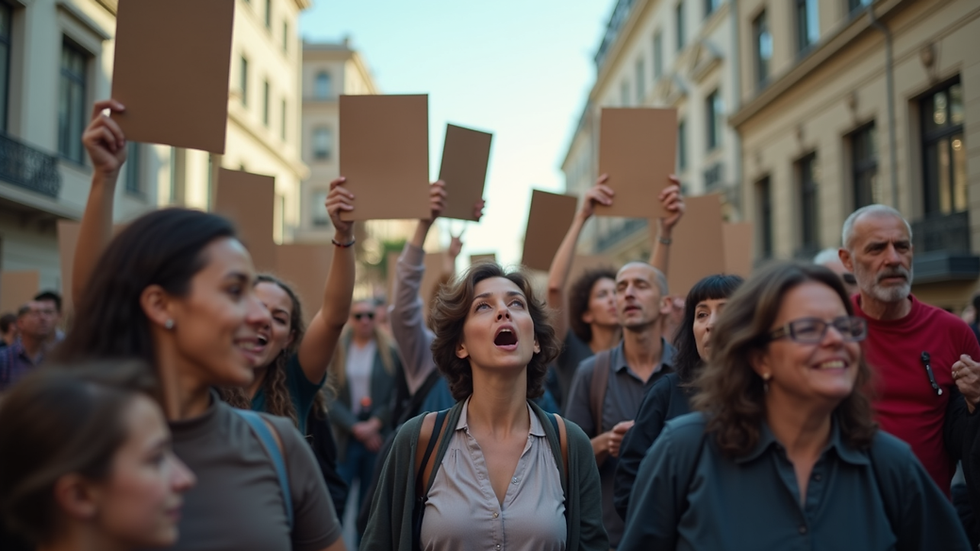
Join campaigns that promote human rights. This could include signing petitions, participating in peaceful protests, or attending events that raise awareness about specific issues. Your participation can amplify the message and show solidarity with those affected.
Use Your Voice
Social media is a powerful tool for advocacy. Use your platforms to share information, raise awareness, and support human rights causes. Write articles, create videos, or share graphics that highlight important issues.
Donate
If you have the means, consider donating to organizations that work on human rights issues. Financial support can help these organizations continue their vital work and reach more people.
The Impact of Collective Efforts
When individuals come together to advocate for human rights, the impact can be profound. Here are a few examples of successful advocacy efforts:
The Civil Rights Movement
In the United States, the Civil Rights Movement of the 1950s and 1960s was a pivotal moment in the fight for racial equality. Through protests, legal challenges, and grassroots organizing, activists were able to dismantle segregation laws and secure voting rights for African Americans.
The Global MeToo Movement
The #MeToo movement has brought attention to sexual harassment and assault, empowering individuals to speak out against their experiences. This collective effort has led to significant changes in policies and attitudes towards sexual violence worldwide.
Climate Justice Advocacy
Human rights and environmental issues are increasingly intertwined. Advocacy for climate justice recognizes that climate change disproportionately affects marginalized communities. Movements like Fridays for Future have mobilized millions to demand action from governments and corporations.
Challenges in Human Rights Advocacy
While the impact of advocacy can be significant, it is not without challenges. Here are some obstacles advocates may face:
Government Resistance
In many countries, governments may resist calls for change, viewing advocacy as a threat to their power. This can lead to crackdowns on activists, censorship, and even violence.
Misinformation
The spread of misinformation can hinder advocacy efforts. It is crucial for advocates to provide accurate information and counter false narratives that may undermine their cause.
Burnout
Advocacy can be emotionally and physically taxing. It is essential for advocates to practice self-care and seek support from their communities to avoid burnout.
Conclusion
Human rights advocacy is a powerful tool for creating change. By raising awareness, holding governments accountable, and supporting victims, we can work together to protect the rights of all individuals. Whether through education, volunteering, or using your voice, there are countless ways to get involved.
As we continue to advocate for human rights, let us remember that every action counts. Together, we can build a world where everyone’s rights are respected and upheld. Join us in this vital work and be a part of the movement for justice and equality.

Comments